H2 Deck By Bold Name
h2 xxxxxx
H1 xxxxxx
h2 xxxxx

Test & INspection
At the heart of a true digital twin is something more fundamental: precision measurement. By Ronnie Hensley
What a True Digital Twin Is—and What It Isn’t
Test & INspection
H2 Deck Info By Paragraph Style Bold
Headline
The phrase “digital twin” is everywhere these days, but it’s also widely misunderstood. Ask ten people what it means, and you’ll likely hear ten different answers. Many assume it’s simply a CAD model or a 3D scan. Those are important tools, but they’re not the whole story.
Understanding the difference matters, because when used properly, a digital twin can change how companies monitor, maintain, and improve critical assets. At the heart of a true digital twin is something more fundamental: precision measurement.
As-Is Models vs. Digital Twins
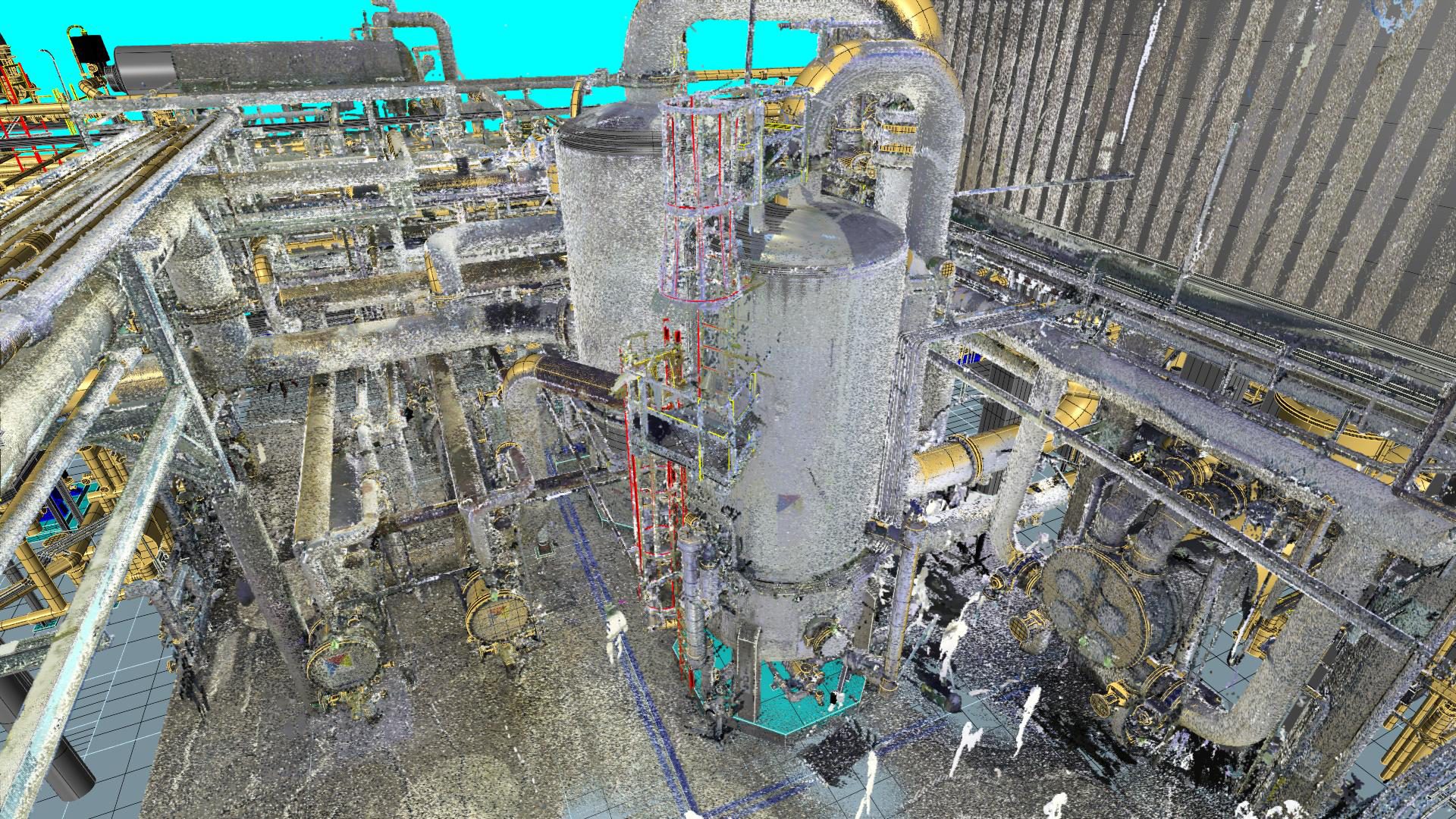
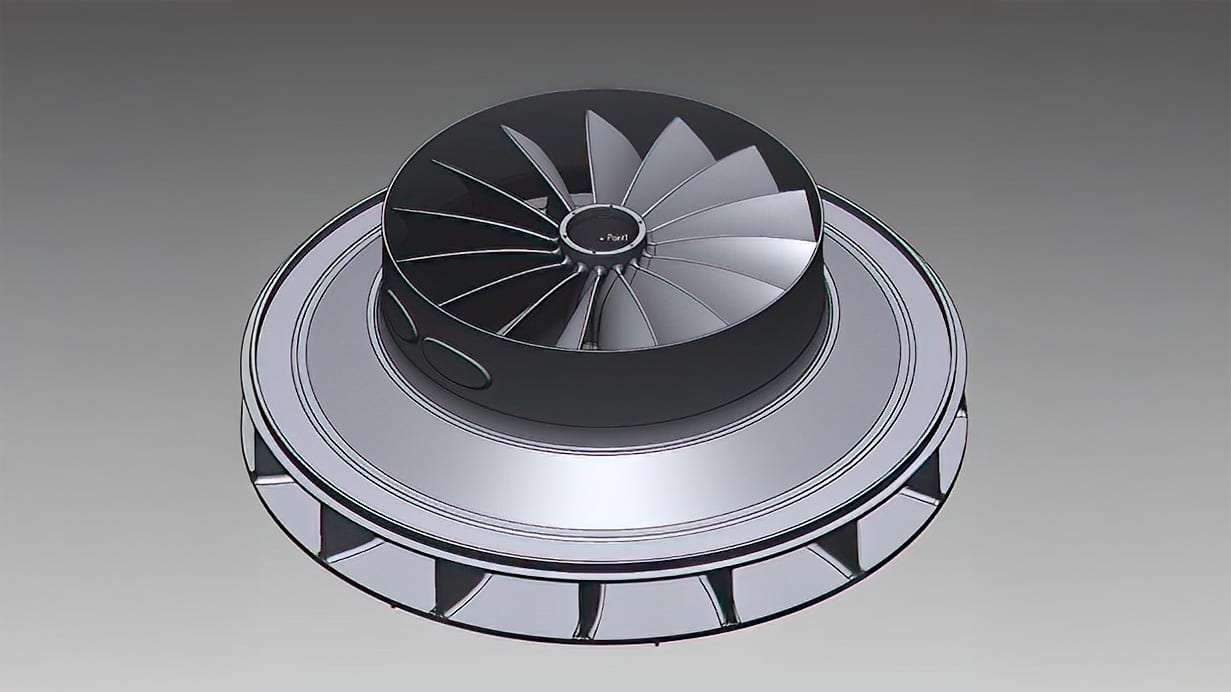
When a part, area, or entire facility is scanned and an “as-is” CAD model is created, the result is a high-fidelity digital representation of that object at a specific moment in time. It’s a snapshot. These models are invaluable for inspection, reverse engineering, or design reference because they capture exactly what the part looked like the day it was measured.
But an as-is model isn’t a digital twin.
A digital twin is dynamic. It evolves as the physical object evolves, incorporating updates when components wear, are repaired, or modified. A true twin also integrates live data such as sensor feedback, usage and performance metrics, maintenance records, and environmental conditions.
Think of it this way: an as-is model is your high school yearbook photo. A digital twin is all the pictures, documents, and storylines of your life—continuously updated as the story unfolds.
Where Metrology Fits In
Metrology provides the backbone of a digital twin. Without accurate, traceable geometry, the “twin” quickly becomes just another model that drifts further from reality. With metrology, every scan, alignment, and calibration provides a verified anchor point.
A turbine outage illustrates the point well. In one case, engineers aligned a generator shaft with a laser tracker and discovered it was off by just a few thousandths of an inch—enough to cause excess vibration that had been plaguing the unit. The correction was made, the shaft brought back to spec, and the update captured in the digital record. That’s a digital twin grounded in measurement, not assumption.
As one alignment specialist put it: “A twin is only as good as the data behind it. If you don’t measure, you’re guessing.”

Metrology ensures the twin is built on solid ground:
- Laser trackers establish centerlines and verify tolerances for critical machinery.
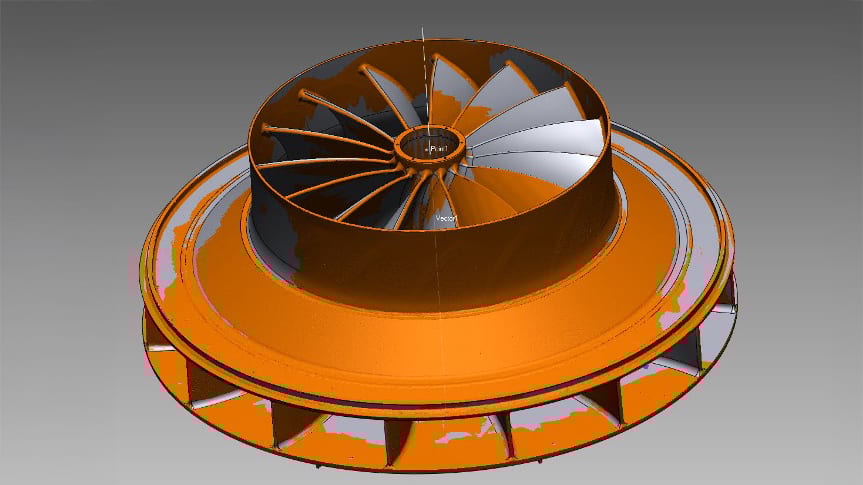
- 3D scanning and modeling capture complex geometries and as-found or as-left conditions.
- CT scanning reveals internal structures and hidden defects without destructive testing.
- Calibration keeps every instrument contributing data within spec, ensuring consistency.
This measurement framework doesn’t create a digital twin on its own—but it ensures that when one is built, it can be trusted.
The Role of Sensors
Sensors are often part of the digital twin discussion, but their role is sometimes overstated. They provide performance and condition data—temperature, vibration, strain, load—but not geometry. This information adds context to the twin and helps engineers monitor equipment in real time.
When the object itself changes shape, though, sensors alone can’t tell the story. That’s where metrology brings geometry back in, ensuring the twin reflects what’s really happening on the shop floor or in the field.
How Scans Fit into the Bigger Picture
In practice, metrology delivers high-accuracy scans and models that form the geometric backbone of a digital twin. Software platforms and engineering vendors then integrate those models with additional data streams—such as sensor feedback, simulation results, and maintenance records—to create and manage the dynamic system.
That distinction is important. A 3D scan alone is not a digital twin, but without it, a twin cannot be trusted to reflect reality. Metrology ensures that every update is anchored in fact, not assumption.
Why It Matters to Industry
For industries where precision equals performance—aerospace, automotive, power generation, energy—the implications are significant:
Predictive maintenance: Repairs can be planned before failures occur, based on accurate geometry plus live condition data.
Reduced downtime: Outages are shorter and more efficient when issues are identified and addressed proactively.
Improved efficiency: Equipment operates closer to design intent, reducing energy losses and extending asset life.
Trusted decision-making: Engineers and managers can rely on the digital twin as a faithful reflection of reality.
The Takeaway
Every scan produces an as-is model. But a digital twin is more than the sum of those snapshots. It’s a system that links them together and enriches them with live data over time.
The difference comes down to accuracy and connection. Without precise measurement, a digital twin is just another model. With metrology, it becomes a reliable, evolving representation that industry can trust to guide critical operations and decisions.