Manufacturing Excellence
Praveen Gupta
Manufacturing Excellence | Praveen Gupta
To improve quality, reliability, and integrity of an autonomous system, quality must be designed in.
Exploring Quality of Autonomous Systems

My career started with the early days of the semiconductor industry, and a few years later techies started dreaming of large-scale semiconductor memory. Artificial intelligence (AI) became a memory intensive, rule-based intelligence. However, it took a back seat for a while due to unavailability of Big Data architecture, still evolving data formats or format-free data. Almost 25 year later, AI made a comeback with a new power. By this time, hardware has also caught up with software and created a pull for AI. Advances in hardware and software have led to smart systems and eventually to autonomous systems, including the vacuum cleaner Roomba, autonomous cars, robots and drones, and more in the making.
As a quality and innovation professional, I can understand the evolution of systems, but we must also realize that success of innovative solutions depends on the quality of execution. Quality of early mechanical systems evolved from inspected in to built-in or designed in, produced in collaboration with supply chain, or managed throughout the organization. Then, the software quality components were added to the systems, where the software quality was evolving around the software engineering, which later primarily pivoted to testing of a software due to reduced product life cycle, and speed of development.
As to an autonomous system, many new dimensions were added, which need to be included in the overall quality of a system. The figure below shows a variety of key elements of an autonomous system.

Caption
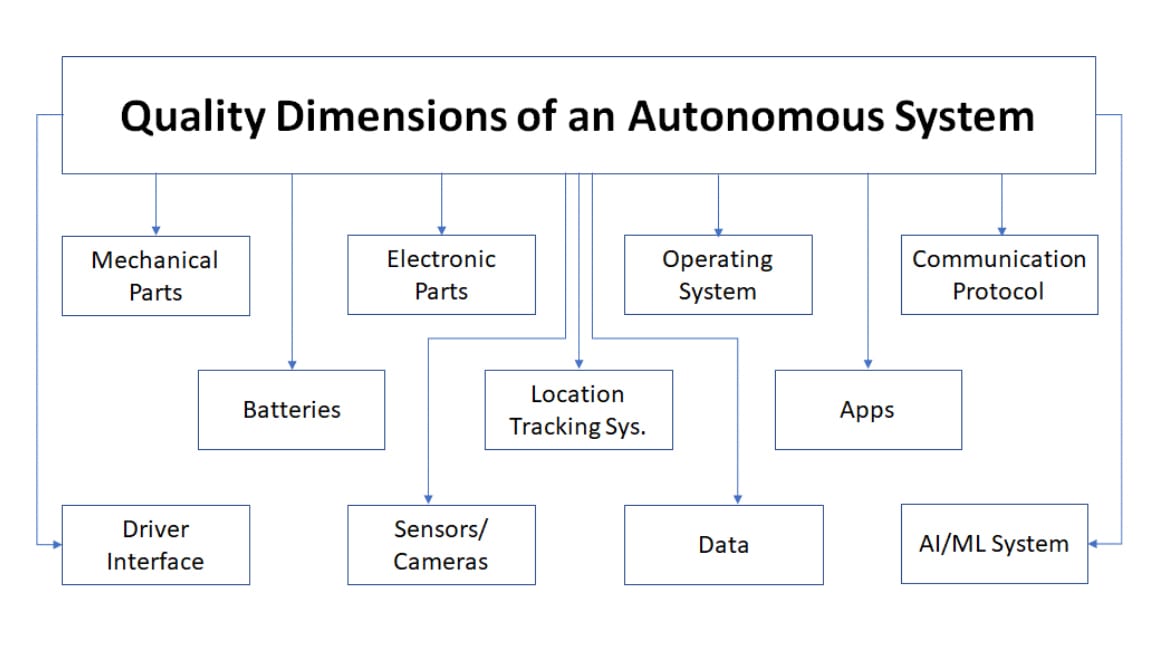
Figure 1. Quality Dimensions of an Autonomous System
The standard provides a systematic approach to sampling without overtaxing resources.
P - Main body. paragraph of text goes here. Main body. paragraph of text goes here. Main body. paragraph of text goes here.
“Pull Quote Goes Here”
To develop a measure of overall quality of an autonomous system, one needs to first develop a method for determining the quality level of each dimension in DPPM (defective parts per million), then add all DPPMs to establish an overall quality of an autonomous system.
The following table shows an example of DPPMs for various elements of an autonomous system. The cumulative DPPM will highlight need to drive improvement and innovations for safer and user-friendly experience.
Figure 2. An example of a quality worksheet showing elements of an autonomous system
To improve quality, reliability, and integrity of an autonomous system, quality must be designed in instead of ensuring it through testing. An autonomous company may need multi-discipline design-quality engineers to ensure high quality of systems and sub-systems. As a first step, a set of quality goals must be determined for an autonomous system, then allocated to various subsystems and components.
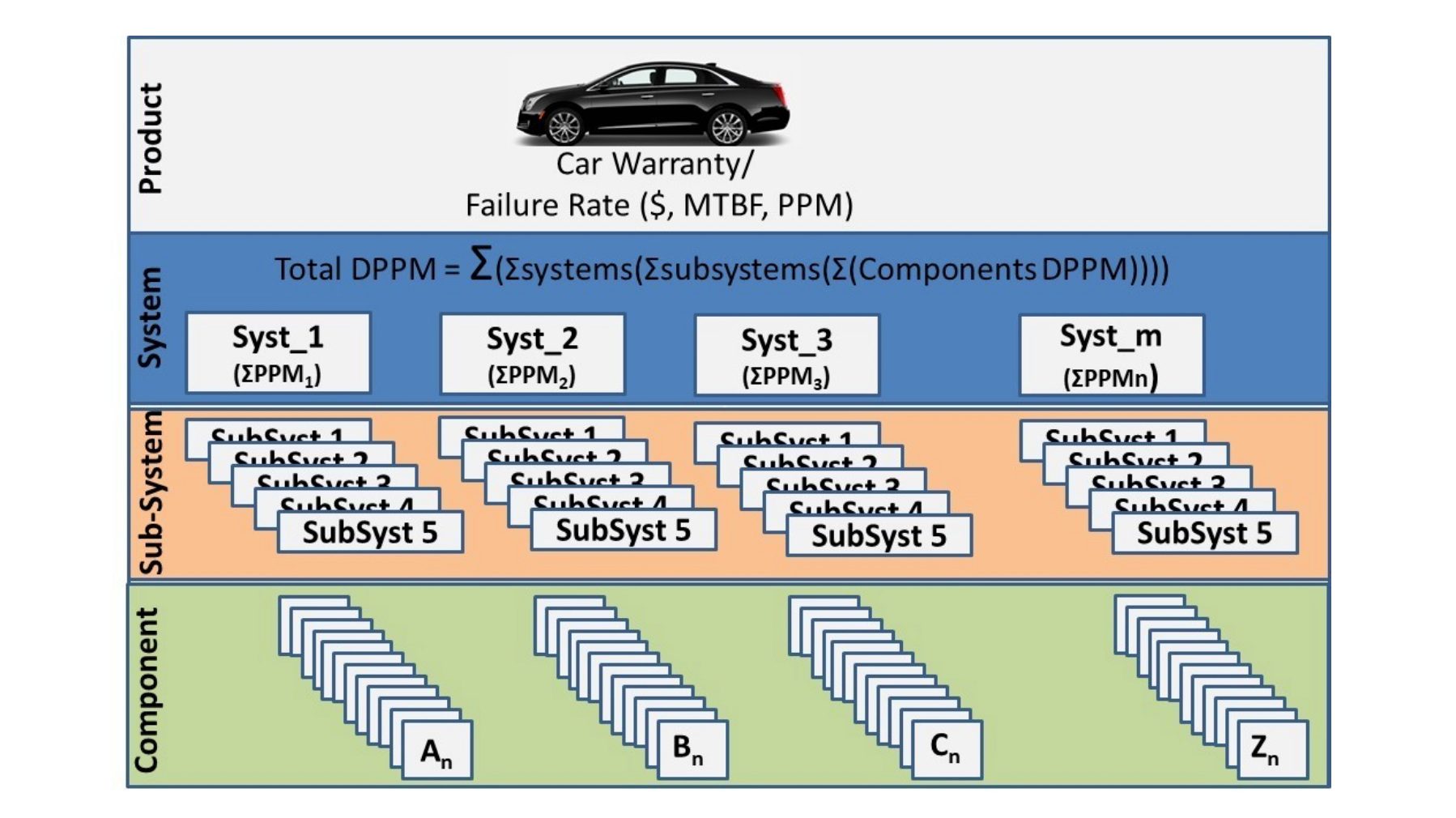
Figure 3. Aggregation of quality of components, subsystems and systems
In the 1980s quality trends started due to increasing competition from Japan primarily, followed by competition from Taiwan, Korea, and China in ‘90s onwards. The competition that started based on quality moved on to product cost, labor cost, engineering cost, design collaboration, assembly outsourcing, and offshore manufacturing. If the new generation of hardware manufacturing companies do not build a culture of excellence, design to target, and learn from earlier lessons, we can expect a similar outcome leading to outsourcing. We begin with a lead in design and innovations then lose it in manufacturing due to inexperience in manufacturing.
Quality begins with target driven lifecycle processes, and budgeting early quality targets across the product lifecycle, and setting up process capabilities accordingly. Success of autonomous vehicles, robots, drones or systems depends upon quality of its elements to the level of quality required in aerospace, beyond the automobile standards. It will take a determined leadership and sufficient quality resources to achieve desired reliable and safe autonomous vehicles.
Opening Background Image Source: gorodenkoff / iStock / Getty Images Plus via Getty Images.
Praveen Gupta is an internationally recognized quality and innovation expert, a fellow of ASQ and author of over ten books on quality, corporate performance and innovation. He teaches Management of Innovation at San Jose State University and works as Director of Quality at Stephen Gould Corporation. He also advises entrepreneurs in maximizing their value proposition by maximizing innovation. He can be reached at praveen@igupta.com.
LEARN MORE:
- Create a Culture of Excellence | Quality Podcast